
32 Cards Live is a card game that originated in South Asia and became one of the most widely played card games in online casino environments serving that region. Its structure is simpler than most card games, which makes it fast-paced and easy to learn, while its betting variety creates enough depth to reward players who study the probabilities carefully.
The Basic Structure of 32 Cards Live
32 Cards Live uses a deck of 32 cards formed by removing all cards from two to five in a standard 52-card deck. The remaining cards run from six through ace in all four suits, with the ace typically valued at one rather than eleven in this game. The dealer uses this specialized deck to deal cards to four positions — usually labeled by suit symbols or player positions — and players bet on which position will have the highest total value.
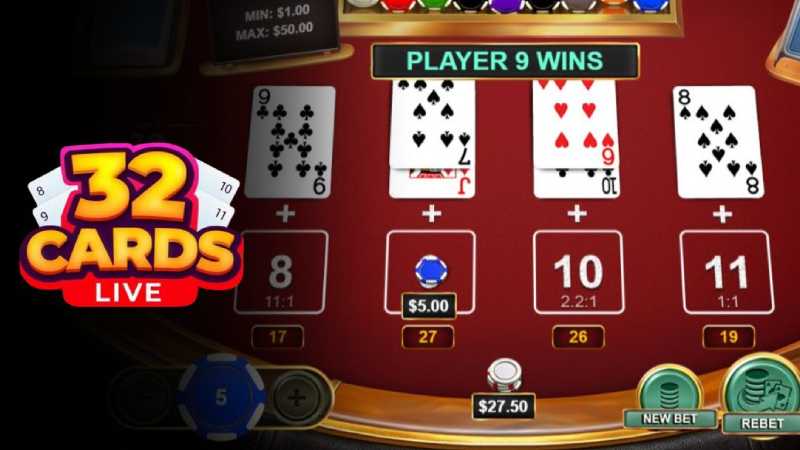
Each position typically receives between three and five cards per round, depending on the variant. The position values are totaled by adding the individual card values, with specific high-value cards having fixed point assignments that may differ from their face values. Understanding the point structure is the foundational knowledge needed before placing any bet.
The live dealer format brings a human dealer into view via video stream, dealing the cards physically on camera in real time. That format adds authenticity to the game experience and eliminates concerns about random number generator fairness by making the card dealing visible and auditable.
Card Values and the Point System
In most 32 Cards Live variants, numbered cards retain their face values — a six is worth six points, a seven is worth seven, and so on up to ten. The face cards (jack, queen, king) are typically valued at ten points each. The ace is valued at one point.
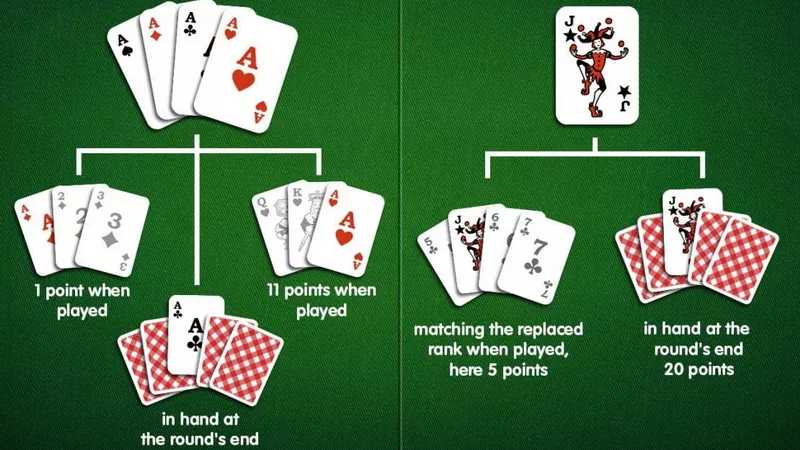
A critical mechanic in 32 Cards Live is the special value assigned to specific face cards in certain positions. Some variants assign the eight of spades and the eight of clubs a value of zero or a special outcome designation that changes the position’s total dramatically. Identifying which specific cards carry these special values requires reviewing the rules table for the specific variant being played at baji365, since these details vary between game editions.
The maximum position total achievable varies by variant based on the number of cards dealt per position and the card value ceiling. Understanding the maximum total and the distribution of possible totals helps in evaluating the probability-adjusted value of different betting options.
Betting Options: Position Bets, Suits, and Side Markets
The primary bet in 32 Cards Live is selecting which position will have the highest total value at the end of the deal. Most games offer four positions, and the payout for correctly identifying the winning position is typically at 3.5x to 4x the stake, reflecting the four-way probability split.
Suit-specific bets allow players to bet that the winning position’s cards will include a specific suit combination or that specific suit cards will appear in designated positions. These bets offer higher payouts because they require predicting additional dimensions of the outcome beyond just the winning position.
Pair bets predict that at least two cards of the same value or the same suit will appear in a specific position’s hand. These bets typically pay at 10x to 14x depending on the pair type specification. Combination bets allow players to cover multiple positions simultaneously at reduced payout rates, which lowers variance but also lowers the theoretical return compared to a correctly placed single-position bet.
The triple bet, available in some variants, predicts that a specific position will receive three cards of the same suit or three cards above a certain value. These bets pay at high multiples — sometimes 80x or more — reflecting their low probability of occurring.
House Edge: What the Numbers Mean for Different Bets
The house edge in 32 Cards Live varies significantly by bet type. The primary position bet typically carries a house edge in the range of 1% to 3%, which is modest by casino standards. Suit-specific and combination bets generally carry higher house edges, often in the 5% to 8% range, because the additional prediction requirement creates more ways for the house to hold an advantage.
The high-payout side bets — pairs, triples, and special card combinations — carry house edges that often exceed 10%. Those bets are designed as entertainment features rather than mathematically efficient choices. Players who allocate the majority of their wagering to the primary position bet and treat the side bets as occasional additions will have a significantly lower average cost per session than those who chase the high-multiplier side markets exclusively.
Understanding the relationship between payout multipliers and probability is essential. A bet that pays 14x but has a 1-in-16 probability is offering fair value, while a bet that pays 14x with a 1-in-20 probability carries a meaningful house edge. Comparing the offered multiplier to the true probability requires knowing the full card distribution and deal structure.
Live Dealer Interaction and the 32 Cards Experience at baji365
baji365 hosts 32 Cards Live through multiple live dealer providers, each offering slightly different interface designs, bet limits, and side market options. The live stream quality is maintained at a standard that allows the card dealing to be followed clearly on both desktop and mobile devices.
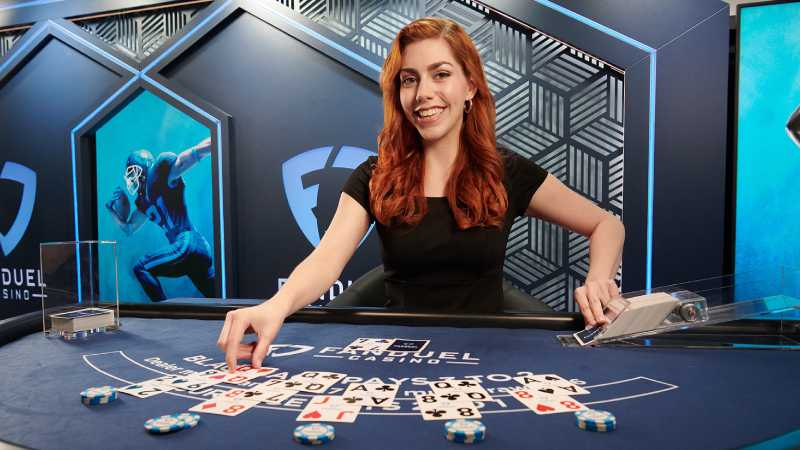
Bet time limits are set by the live dealer, typically in the 15-to-30-second range per round. Players must place all bets within that window, which means having a pre-session decision framework in place reduces the pressure of real-time decisions. Knowing which bets you intend to place before the round begins prevents the common mistake of placing rushed last-second bets on markets you haven’t evaluated properly.
The chat function allows players to interact with the dealer and other players during the session. While the interaction does not affect game outcomes, it contributes to the social atmosphere that makes live dealer games feel more like a physical casino environment than automated random number generator games.
Session Management for 32 Cards Live
The speed of 32 Cards Live — typically four to six rounds per minute — means that session bankroll is consumed faster than in slower card games. A player with 1,000 units who bets 20 units per round can expect to complete 50 rounds in under fifteen minutes if they bet on every round.
Setting a session stop condition before starting is particularly important for fast-paced games like 32 Cards Live. Whether that condition is a fixed number of rounds, a stop-loss percentage, or a win target, having a defined endpoint prevents the endless session problem where a player continues beyond their initial intention and into bankroll-depleting territory.
For players interested in the statistical behavior of the game, playing the same position in every round over a large sample provides data about frequency distributions that can be compared against the theoretical probabilities. Observing significant deviations from expected frequency over small samples is normal variance, not evidence of systematic bias.

CEO Dominic Amelia (born 1990) is the Chief Executive Officer of baji365, a Bangladesh-focused online entertainment platform providing live cricket data and digital gaming content. With years of experience in content strategy, platform operations, and digital brand development, Dominic Amelia is recognized for her leadership in building transparent systems and driving sustainable growth for baji365.
Contact Info:
CEO Dominic Amelia
Website: https://baji365.ink/ceo-dominic-amelia/
Phone: +8801885206557
Address: 20 Shahid Fazlul Haq Rd, Dhaka 1212, Bangladesh
Email: xlink.cn.com@gmail.com
#baji365 #baji365ceo #dominicamelia #bangladeshceo #ceodominicamelia #digitalplatform #cricketcontent #onlineentertainment #brandleadership #techleadership