
The FIFA World Cup is not only a football competition. It is a cultural event that reshapes the national identity of host nations, connects diaspora communities to their countries of origin, and turns football stadiums into arenas where politics, history, and collective emotion converge. The 2026 tournament, co-hosted by the United States, Canada, and Mexico, carries that weight across three nations with vastly different relationships to the sport.
Three Host Nations, Three Football Cultures
Mexico has the deepest football culture of the three host nations. For generations, football has been the central organizing sport of Mexican life, producing a devoted national team fanbase known globally for its passion and atmosphere. Mexican stadiums have a distinctive sound environment — drums, horns, and coordinated chants that can be heard from the parking lots. The 1970 and 1986 World Cup experiences gave Mexico a host nation identity that the country has spent decades building toward reclaiming in 2026.
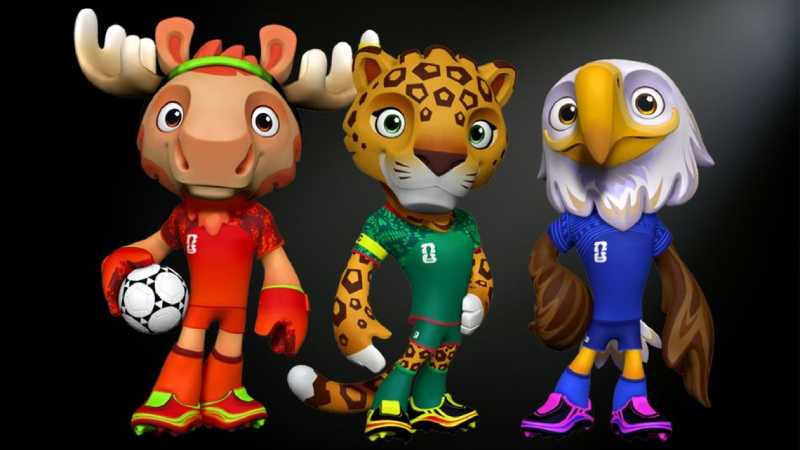
The United States sits in an unusual position as a major World Cup host nation with a still-developing domestic football culture. The American sporting landscape is dominated by American football, baseball, basketball, and ice hockey, which means the World Cup’s arrival requires converting fans from those sports into temporary football viewers. The 2026 tournament’s North American broadcasts will likely exceed any previous American football television audience, driven by the combination of local matchups and the growing Hispanic fanbase that already treats the sport with Mexican-level devotion.
Canada’s relationship with football is quieter but growing. The Canadian national team’s qualification for the 2022 World Cup after a thirty-six-year absence catalyzed a new generation of football followers who experienced meaningful international competition for the first time. Hosting the tournament provides that building fanbase with an unprecedented stage to develop deeper investment in the sport.
Diaspora Football Communities and the 2026 Tournament
The United States, Canada, and Mexico are three of the world’s most significant diaspora destinations. Communities from every qualifying nation are embedded in the host country landscape, which means the 2026 tournament will be watched by millions of people who have personal connections to the competing teams through family, heritage, and cultural identity.
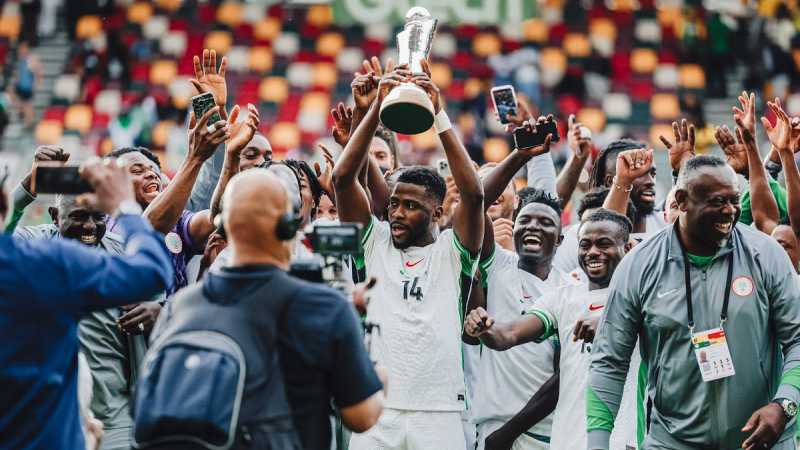
Brazilian communities in Miami, Sao Paulo-connected neighborhoods in New York, Portuguese communities in Toronto, and Mexican communities distributed across the entire southwestern United States will transform group stage matches into local cultural events. These communities provide the atmosphere at stadiums that stadiums in neutral host nations cannot manufacture through tourist ticket allocations alone.
For football’s global commercial structure, the diaspora dimension of a North American host tournament is unprecedented. The collective purchasing power of immigrant and diaspora communities in the host nations is enormous, and the commercial ecosystem built around the tournament — merchandise, streaming, travel packages, and hospitality — will be shaped significantly by which diaspora communities are most active in their tournament participation.
The Role of Football in National Identity During Tournament Periods
World Cup tournament periods produce temporary national unity around football that transcends normal political divisions. Countries where football is not the dominant sport experience a compressive effect — fans of other sports who care nothing about football during club league seasons become invested in the national team’s performance during the World Cup weeks.
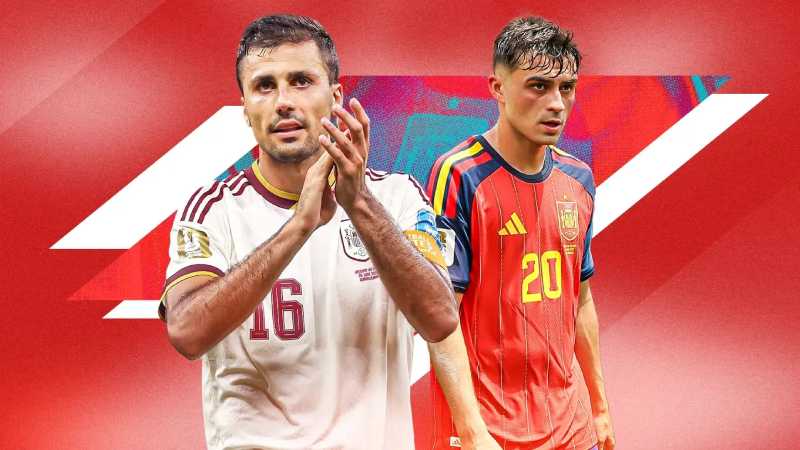
This compressive unity has historical precedents that illustrate its power. France’s 1998 World Cup victory generated national conversations about immigration, integration, and French identity that persisted for years. Germany’s 2006 hosting produced what commentators called a “summer of happiness” that changed how German society related to visible national pride after decades of historical sensitivity. South Africa’s 2010 hosting created a collective pride moment across the African continent, not just within South Africa’s borders.
The 2026 tournament across three nations with distinct political climates will produce complex cultural dynamics. Mexico’s deep football passion will contrast with the United States’ learning-to-care narrative, while Canada’s quiet competence as a host will demonstrate a third model entirely. Watching how football functions as a cultural ambassador across all three host nations is one of the tournament’s most interesting non-sporting dimensions.
Fan Culture: Supporter Groups, Travel, and Atmosphere
Supporter groups — organized fanbases who travel to every match and create the visual and audio spectacle of the stands — represent the most committed layer of football culture. The 2026 tournament will bring supporter groups from across the globe to North American cities unfamiliar with organized football fan culture, which will create some fascinating cultural exchanges in host city environments.
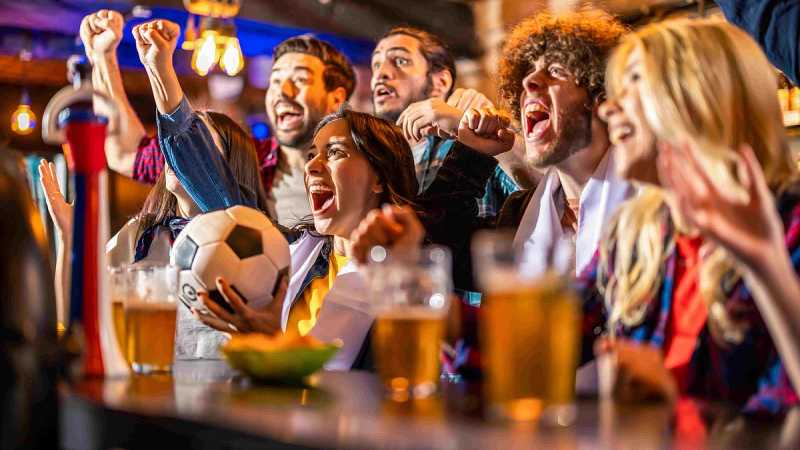
Argentina’s supporters, known for their creation of atmosphere through coordinated chanting and large flag displays, will bring traditions developed in South American football to American stadiums designed primarily for other sports. Brazilian supporter culture, equally rich in percussion-driven chants, will add the distinct sounds of South American football to venues more accustomed to American football crowd noise.
European supporter groups often travel in large organized parties that book entire sections of stadiums and maintain choreography throughout matches. The 2026 tournament’s accessibility from Europe via direct transatlantic flights to the host cities means European supporter turnout could be higher than for previous Americas-hosted tournaments.
Food, Music, and Cultural Exchange Around Tournament Matches
The experience of attending a World Cup extends well beyond the ninety minutes inside the stadium. Fan zones, street parties, cultural festivals, and local hospitality all contribute to the texture of the tournament experience. For a co-hosted tournament across North America, those cultural extensions will draw from three distinctly rich food and music traditions.
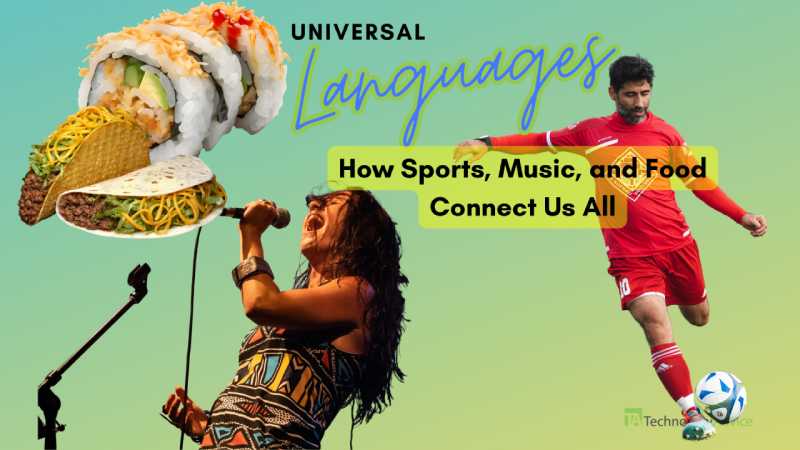
Mexican culinary culture is one of the world’s most celebrated, and tournament matches in Mexican cities will provide visiting fans with an authentic immersion in street food traditions that reach back centuries. Tacos, tamales, chiles rellenos, and the regional cuisine variations between Mexico City, Monterrey, and Guadalajara will give visiting fans a food experience unlike anything available in European tournament host cities.
The United States’ contribution to the cultural exchange includes the enormous variety of its regional food scenes — New York, Los Angeles, Dallas, and Seattle all have distinct culinary identities — plus the country’s global dominance in popular music, which means the commercial and entertainment programming around the tournament will have the largest production budgets in World Cup history.
The 2026 World Cup and Football’s Place in Global Culture at baji365
baji365 provides sports betting and analytics coverage that covers the cultural dimensions of major sporting events alongside the statistical performance data. The platform’s coverage of the 2026 World Cup will include match betting, player performance markets, and tournament progression markets that reflect both football analytical perspectives and the broader cultural stakes of the event.
For users interested in combining their football knowledge with responsible sports betting participation, the cultural context of the 2026 tournament matters because home nation advantages, crowd atmosphere effects, and the emotional investment of diaspora communities all influence match outcomes in ways that pure statistical models may not fully capture.
Following the tournament as both a cultural event and a sporting competition produces a richer understanding of why specific matches produce the outcomes they do, which in turn informs better analytical frameworks for sports betting engagement on baji365.

CEO Dominic Amelia (born 1990) is the Chief Executive Officer of baji365, a Bangladesh-focused online entertainment platform providing live cricket data and digital gaming content. With years of experience in content strategy, platform operations, and digital brand development, Dominic Amelia is recognized for her leadership in building transparent systems and driving sustainable growth for baji365.
Contact Info:
CEO Dominic Amelia
Website: https://baji365.ink/ceo-dominic-amelia/
Phone: +8801885206557
Address: 20 Shahid Fazlul Haq Rd, Dhaka 1212, Bangladesh
Email: xlink.cn.com@gmail.com
#baji365 #baji365ceo #dominicamelia #bangladeshceo #ceodominicamelia #digitalplatform #cricketcontent #onlineentertainment #brandleadership #techleadership